Landair Surveys was engaged by heritage architecture firm Conservation Studio to undertake a detailed existing conditions survey of Queens Bridge, a heritage-listed wrought-iron structure spanning Melbourne’s Yarra River. Built in the 1880s, this five-span bridge replaced an earlier timber crossing and remains a vital connection between the north and south banks of the CBD. A remarkable piece of infrastructure history, Queens Bridge was also the launch point for one of Harry Houdini’s famous escape acts in the early 1900s.
Working in a live traffic environment, our Melbourne team conducted mobile laser scanning of the bridge deck using the NavVis VLX3, allowing continuous data capture while navigating around trams, vehicles and pedestrians. The understructure was surveyed via boat at low tide, with the scanner worn onboard and multiple passes made beneath each span. Survey control was established on the bridge pylons to accurately align the top and underside datasets.

The result: a rich, colourised point cloud supported by over 750 spherical images and complemented by underground services data.
The final deliverables provide Conservation Studio with an accurate, high-resolution dataset to support detailed remediation planning of this significant heritage asset.
3D mobile laser scanning (deck and underside)
Underground services investigation and plan
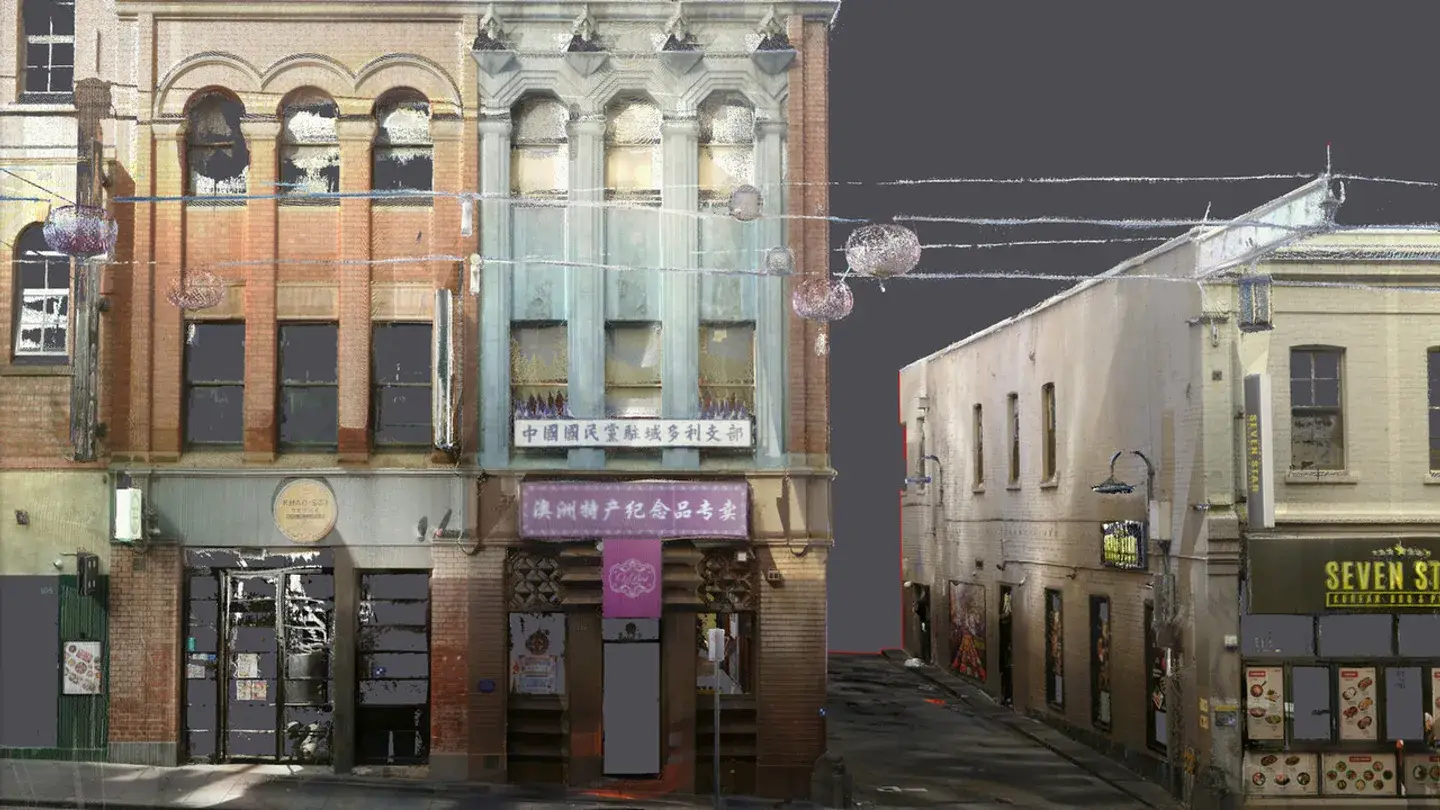
The Landair Survey team journeyed to the heart of China Town to measure the heritage facades at 109 Lt Bourke St on behalf of conservation specialists Conservation Studio.
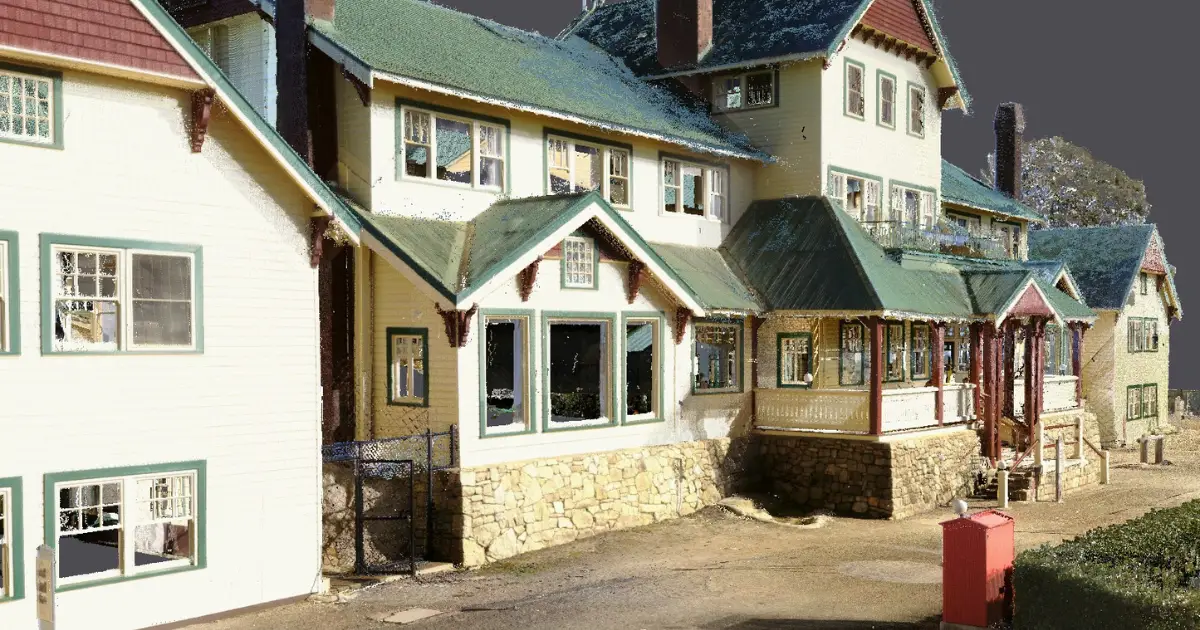
Landair Surveys was engaged by heritage architecture firm Conservation Studio to conduct a full existing-conditions survey of the Mt Buffalo Chalet, Victoria’s largest timber structure and Australia's first ski resort.
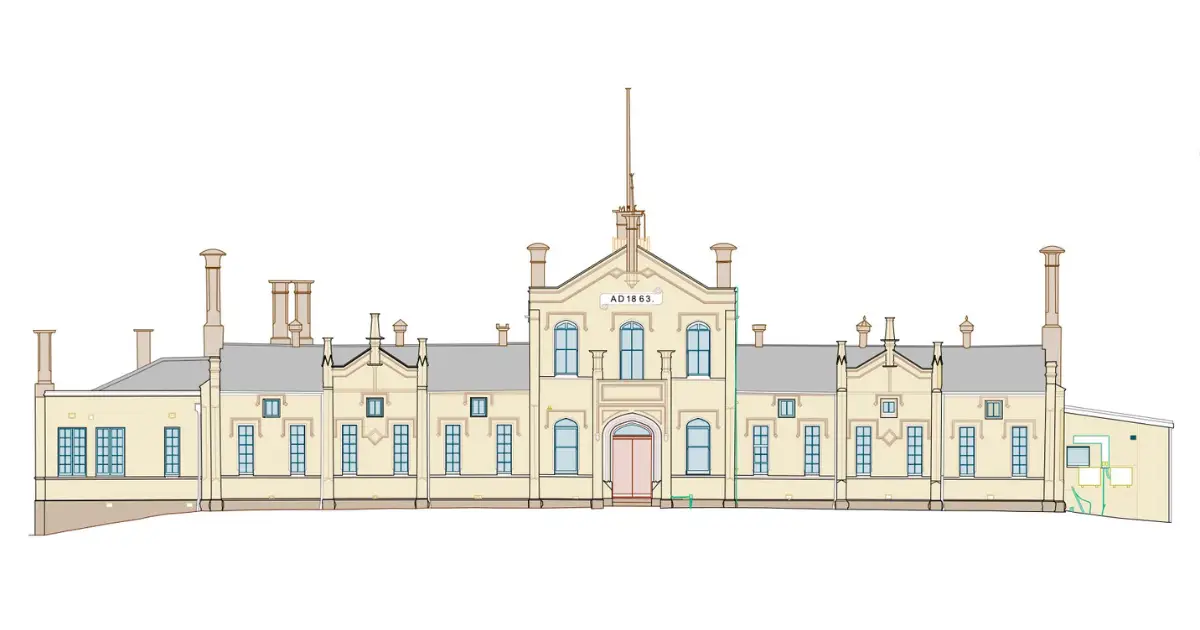
Landair Surveys has partnered with a range of architecture, conservation, and construction professionals to deliver more than a decade’s worth of surveying projects across the University of Melbourne’s metropolitan and regional campuses.